
A Practical Guide to Whole-Home, Plug-In, and Shielding Solutions
Electromagnetic fields (EMFs) are an unavoidable part of modern life. From LED lighting and solar inverters to Wi-Fi routers and smart devices, today’s homes generate more electromagnetic activity than ever before. As awareness grows, many people are asking an important question:
What are the best EMF filters, and which ones actually work?
The answer depends on the type of EMF you are trying to reduce and where it originates. Not all EMF filters do the same thing, and no single solution addresses every type of electromagnetic exposure. In this guide, we’ll break down the three most effective and legitimate EMF filter categories used today:
- Whole Home Wire-In EMF Filters
- Plug-In EMF Filters
- EMF Shields
Understanding how each works will help you choose the right solution—or combination of solutions—for meaningful EMF reduction.
Understanding EMFs in the Home
Before choosing an EMF filter, it’s important to understand the most common EMF sources found in residential environments.
- Dirty electricity refers to high-frequency voltage transients that travel along electrical wiring. These are often generated by LED lights, solar systems, dimmer switches, and electronic power supplies.
- Radiofrequency (RF) radiation comes from wireless technologies such as Wi-Fi routers, smart meters, cell phones, and Bluetooth devices.
- Electric fields are produced by voltage in energized wiring, even when devices are turned off.
- Magnetic fields are created by current flowing through wires and appliances.
Because these EMFs behave differently, effective reduction requires targeted solutions rather than one-size-fits-all products.
The Three Best Types of EMF Filters
1. Whole Home Wire-In EMF Filters
Whole home wire-in EMF filters are designed to reduce dirty electricity at its source by integrating directly into a building’s electrical system, typically at the breaker panel.
These systems absorb and divert high-frequency electrical noise before it spreads throughout the home’s wiring. Because they address the electrical system as a whole, they provide comprehensive coverage rather than room-by-room protection.
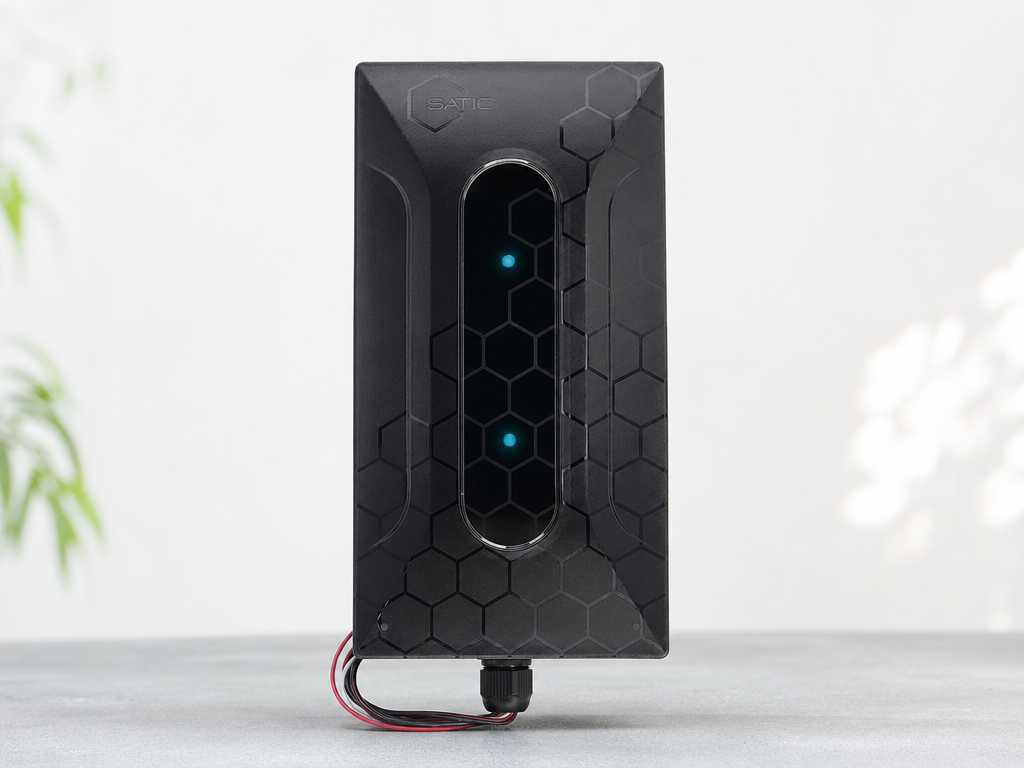
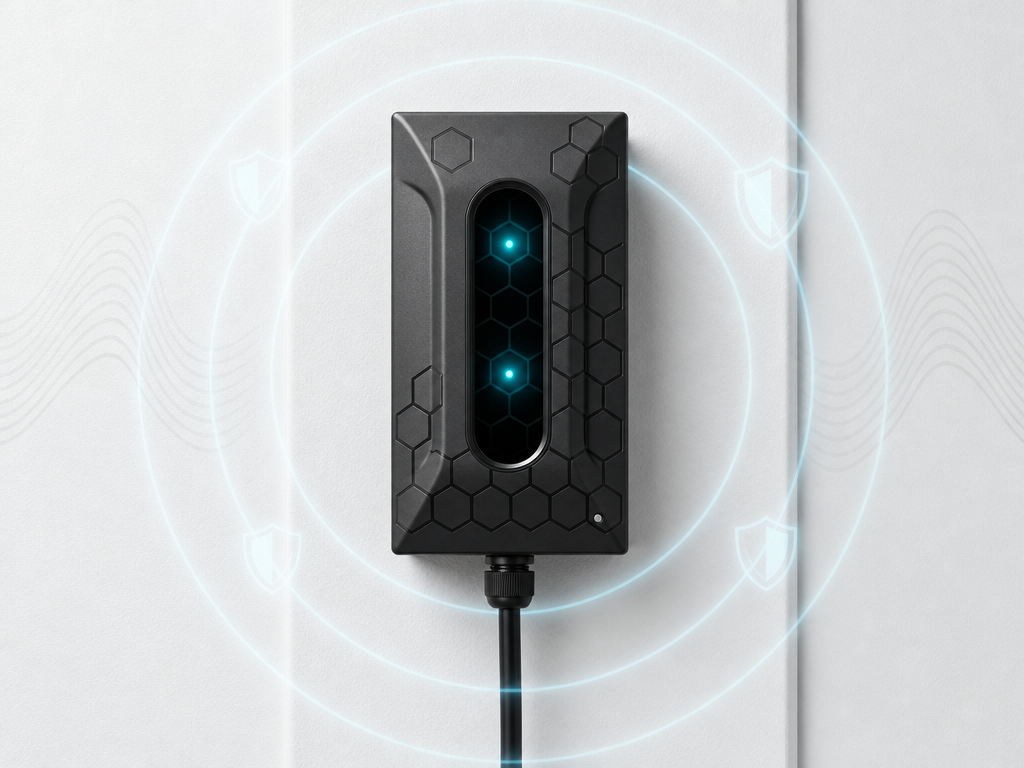
A popular Wire-In EMF Filter is the Satic GEN III Power Perfect Super Duty Wire-In EMF Filter, which is engineered for high-load environments and long-term performance.
Best suited for:
- Homes with solar panels or inverters
- Smart homes with extensive electronics
- Offices and wellness spaces
- Homes with elevated dirty electricity readings
Key advantages:
- Whole-home coverage
- Professional-grade performance
- Passive, long-term operation
- Measurable dirty electricity reduction
Considerations:
- Requires professional installation
- Higher upfront investment compared to plug-in options
For homes with widespread electrical noise, a wire-in EMF filter often serves as the foundation of an effective EMF reduction strategy.
2. Plug-In EMF Filters
Plug-in EMF filters are designed to reduce dirty electricity at the outlet level. They are installed by simply plugging them into standard wall sockets and work by absorbing high-frequency voltage transients on nearby circuits.
These filters are commonly used when whole-home installation isn’t possible or when additional reduction is needed in specific areas of the home.
A common Plug-In EMF Filter is the Satic Pure Power Plug-In EMF Filter, which offers targeted dirty electricity reduction without requiring electrical work.
For renters who want whole-home coverage, a panel-mounted Power Perfect Box may also be possible in some cases. The unit is removable, but renters must review their lease and any property requirements and arrange installation by a licensed electrician.
Best suited for:
- Bedrooms and sleeping areas
- Home offices
- Apartments and rental properties needing a removable, plug-in option
- Rooms with heavy electronics use
Key advantages:
- Easy, tool-free installation
- Flexible and scalable
- Lower entry cost
- Useful as a supplemental solution
Considerations:
- Limited coverage area
- Multiple units may be required
- Not a replacement for whole-home filtering in larger spaces
Plug-in EMF filters are most effective when used strategically, either as a standalone solution for small areas or as a complement to a whole-home system.
3. EMF Shields
EMF shields differ from filters in an important way: they do not clean electrical signals. Instead, they block, reflect, or absorb electromagnetic radiation, particularly radiofrequency (RF) emissions.
Shielding is often the most effective solution for wireless radiation, as RF does not travel through wiring in the same way dirty electricity does.
EMF Shields such as the Satic FieldShield are designed to create a physical barrier between EMF sources and occupied spaces.
Best suited for:
- Wi-Fi routers and access points
- Smart meters
- Electrical panels
- Server rooms
- Bedrooms and sleeping areas
Key advantages:
- Highly effective for RF radiation
- Immediate reduction at the source
- Can also reduce electric fields when properly grounded
Considerations:
- Must be installed correctly
- Does not address dirty electricity
- Poor installation may cause signal reflection
When RF radiation is the primary concern, shielding is often more effective than any filter alone.
Which EMF Filter Is Best?
The “best” EMF filter depends entirely on the problem being addressed:
- Dirty electricity throughout the home: Whole home wire-in EMF filter
- Dirty electricity in specific rooms: Plug-in EMF filters
- Wi-Fi or wireless exposure: EMF shielding
- Smart meter exposure: EMF shielding
- Comprehensive EMF reduction: A combination of all three
The Most Effective EMF Reduction Approach
Professionals who assess EMF exposure rarely rely on a single product. Instead, they use a layered strategy:
- Identify EMF sources
- Reduce or eliminate unnecessary electronics
- Install a whole-home wire-in EMF filter if needed
- Add plug-in EMF filters in key areas
- Use EMF shielding for RF-heavy sources
This approach delivers the most consistent, measurable, and long-lasting results.
FAQs About EMF Filters
What is the most effective EMF filter?
The most effective EMF filter depends on the EMF source. Whole-home wire-in EMF filters are most effective for reducing dirty electricity throughout a house, while EMF shields are more effective for blocking radiofrequency radiation from wireless devices.
Are plug-in EMF filters worth it?
Plug-in EMF filters can be worth it when used correctly. They are best suited for reducing dirty electricity in specific rooms, such as bedrooms or home offices, especially when whole-home installation is not possible.
Do EMF shields work better than filters?
EMF shields often work better than filters for radiofrequency (RF) radiation because they physically block or absorb electromagnetic waves. Filters are more effective for electrical noise traveling on wiring, such as dirty electricity.
What is the best way to reduce EMF exposure in an entire home?
The most effective way to reduce EMF exposure throughout a home is to use a layered approach. This typically includes a whole-home wire-in EMF filter to reduce dirty electricity on electrical wiring, plug-in EMF filters in high-use rooms, and EMF shielding for wireless or radiofrequency sources such as Wi-Fi routers and smart meters. Combining solutions allows each type of EMF to be addressed appropriately.
How do I know which EMF filter I need?
The best way to choose an EMF filter is to identify the primary EMF sources in your environment. Dirty electricity typically requires filters, while wireless radiation is better addressed with shielding.
Key Takeaways
The best EMF filters are not universal devices—they are purpose-built solutions designed to address specific types of electromagnetic exposure. Whole home wire-in EMF filters, plug-in EMF filters, and EMF shields each serve a distinct role.
When used correctly and combined thoughtfully, these tools can significantly reduce EMF exposure and create a healthier living environment. Education, proper application, and targeted solutions remain the most reliable path to meaningful EMF protection.